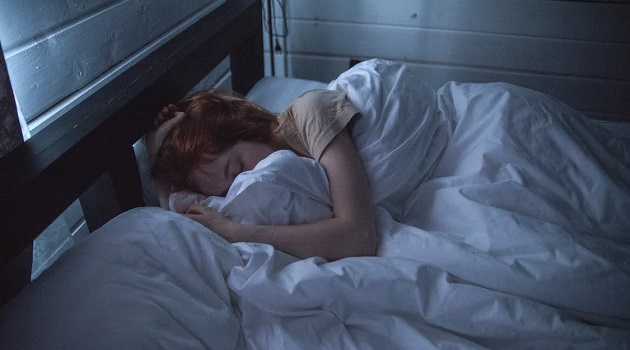
33 strategies to improve your sleep
2023-09-01
By Mike DuBose In our last article, we discussed the fascinating subject of dreaming and how restful sleep is far better than owning gold. WeContinue Reading

By Mike DuBose
In our last article, we discussed the fascinating subject of dreaming and how restful sleep is far better than owning gold. We recently examined eight medical school and university studies by scientists and found common, documented sleep-improvement techniques. Unfortunately, one-third of Americans suffer from sleep problems which can cause serious health threats. Depression, cardiovascular impairments, memory loss, obesity, diabetes, weakened immune systems, and daily mental or physical difficulties are common outcomes.
Sleep is complicated and while we could write extensively about the subject, the following are brief-snapshots of our findings. The more you implement from the proven-menu, the greater your chances of good snoozing. We encourage you to keep this article as a checklist and share it with others.
Initially, track and rate your sleeping quality using 1-10 scales (1=Very-unhappy, 5=Fairly-satisfied, 10=Excellent). Document issues that improved or hindered slumbering. Are there patterns or concerns? Don’t overthink or become obsessed because trying too hard to rest often fails. Your body may have been subjected to detrimental sleep habits over the years, so it takes patience and time to re-program your mind.
Select comfortable beds, sheets, clothing, and pillows which vary amongst spouses. If your mattress is 10+ years old, it’s time for a new one. Visit stores over several days and lie on different mattresses to carefully make selections. While you want to obtain good deals—don’t go cheap. View new beddings as important mental and physical health investments. Comfort is critical so don’t rush purchases. Ideal mattresses allow partners to adjust their different desired settings versus seeking one-size-fits-all.
Strive to obtain 30 minutes of daily sunlight or use effective energy-producing, sunlight-therapy devices (Amazon—$50-$100)…“early in the day.” Both stimulate the body’s calming chemicals Melatonin and Vitamin-D. Exercise in 30-minute-intervals before 6 pm five or more days each week, which can include brisk walking in the mall or outdoors. Limit only early-afternoon naps to no more than 45 minutes. Important. Reduce the consumption of caffeine and eliminate it by 2 pm since it remains in bloodstreams for approximately seven hours. Balance your work, retirement, or personal lives. If you’re running full-throttle throughout each day, your mind is saturated with adrenaline that promotes alertness later.
Target at least 7-8 hours sleeping—less is often harmful. Only use bedrooms for naps, sleep, and intimate activities to program the brain for limited uses. Avoid events like watching television, studying, and reading in bed. Install dim-bathroom-lamps and avoid turning on bright-lights as bedtime approaches.
Stress is another major concern. Document small and significant upsetting tensions in your life. It may be combinations of less-conspicuous items, when combined, become powerful frustration sources (politics, troubled relationships, watching opinionated-television, dreadful-news, gossip, and negative people). These can trigger anger and release insomnia-hormones like Cortisol and fight-or-flight adrenaline. Major life-changes and psychotherapy may be needed to diminish stress or treat buried, haunting issues that surface during dreams and nightmares. As outlined in our “Finding Happiness” articles located on www.mikedubose.com, contented individuals experience higher-quality, restful sleep.
Avoid going to bed hungry, curtail eating after 8 pm, and minimize spicy foods which cause acid reflux or heartburn. While alcohol adds drowsiness, evening-drinking can later awaken you. Refrain from working, communicating, texting, and e-mailing after 9 pm since negative issues could arise or wrong action-oriented brain parts are triggered. Curtail late liquid consumption to minimize unnecessary awakenings for bathroom visits. Make daily to-do lists so you’re not thinking about troubles or forgetting next-day situations. Keep a pad/pen on your bedside table.
Two hours before the sandman calls, turn off electronic devices (TVs, iPads, smartphones) which emit invisible blue-lights that prevent the brain from releasing bedtime chemicals. Avoid late high-drama-books or movies like “Mission Impossible.” Take enjoyable warm baths or slow showers. Build in “wind-down-time” with calm activities such as casual, non-suspenseful reading.
In order to set your body’s clock (Arcadian Rhythm), establish regular hours for going to bed and arising the next morning. Ensure your bedroom is dark and quiet with cool night-time temperatures (Yikes.—70 degrees or cooler is “strongly recommended” by researchers). Avoid stressful discussions, arguments, or disturbing thoughts which delay happy, restful hormones from being emitted. Resolve conflicts before sunset—Ephesians 4:26.
If you don’t fall asleep within 30 minutes when desired, go to another dimly-lit room and engage in relaxing activities like soft music until you’re tired. Tossing and turning only leads to disruptive irritation. Weighted blankets may minimize anxiety.
Mayo Clinic reports “Melatonin supplements may promote sleep and are safe for short-term use.” Nature Made supplements, certified by third-party laboratories, are the best. Be cautious and limit using supplements and vitamins—they can have adverse effects or interfere with medicines like blood thinners. Prescriptions can also cause insomnia—it might mean taking meds earlier in the day or before bedtime (betablockers often cause helpful drowsiness). Use drug interaction-software on www.drugs.com where you insert your medications and supplements to evaluate dangers, side-effects, and other risks.
Most healthcare professionals aren’t trained in sleep analysis or related-medications, so consult with specialists. We suggest engaging with private or hospital-based sleep-educated medical doctors who may prescribe a night study conducted in clinic-settings with private, natural-looking bedrooms. Prior to going to bed, professionals attach transmitters to your body. These instruments monitor your breathing, oxygen levels, blood pressure, EKG, snoring, brain waves, and other related functions. Based on your study’s results, specialists gain insightful sleep pattern assessments, can better diagnose problems, and dispense supplements, prescription drugs, and therapies to improve sleeping habits.
The Bottom Line: Good sleep requires experimentation and expert guidance. In most cases, if you work at it, your quality of life should improve. And…you just might live longer. In other words, don’t give up—pray. There’s hope.

Visit Mike’s nonprofit website www.mikedubose.com for free access to his books, including “The Art of Building Great Businesses.” The website includes 100+ published articles he has written on business, travel, and personal topics, in addition to health research with Surb Guram, MD. Write him at [email protected].
By Mike DuBose In our last article, we discussed the fascinating subject of dreaming and how restful sleep is far better than owning gold. WeContinue Reading
With the start of the school year COVID-19 cases are rising in South Carolina. The Centers for Disease Control and Prevention (CDC) said reports ofContinue Reading

Keep the Midlands Beautiful (KMB) and their event partners will host the third annual Lakeside Litter Sweep litter cleanup event on Lake Murray on SeptemberContinue Reading

The South Carolina Department of Revenue (SCDOR) is offering a new resource for South Carolina teachers to instruct students on the basics of state IndividualContinue Reading

The Capital City/Lake Murray Country Regional Tourism Board’s (CCLMC) Annual Meeting was held on Monday, August 28 at Harbison Theatre. The meeting provided an opportunityContinue Reading

COVID is once again changing the high school sporting calendar in the Midlands. The anticipated football game between Spring Valley and White Knoll on FridayContinue Reading

The South Carolina Golf Association’s next two events on their calendars are some fun ones! With the 39th Annual Players Four Ball Championship being heldContinue Reading

Do you have a fishing rod in your garage? Or maybe even a cane pole? If so, the South Carolina Wildlife Federation (SCWF) invites youContinue Reading

As summer temperatures continue to rise, Dominion Energy is encouraging customers who may be struggling financially to reach out for energy assistance funding available throughContinue Reading

The Independent Banks of South Carolina (IBSC) met for their 59th Annual Convention in Savannah, Georgia recently. During the annual meeting banquet July 28, J.Continue Reading
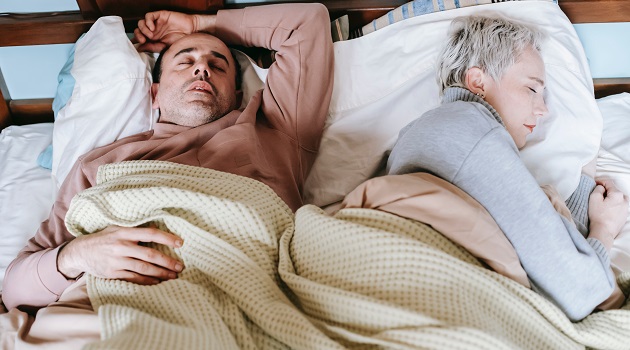
Sleep is a key component for optimal physical and mental health. Many people struggle to get a restful night of sleep. Sleep is when theContinue Reading