
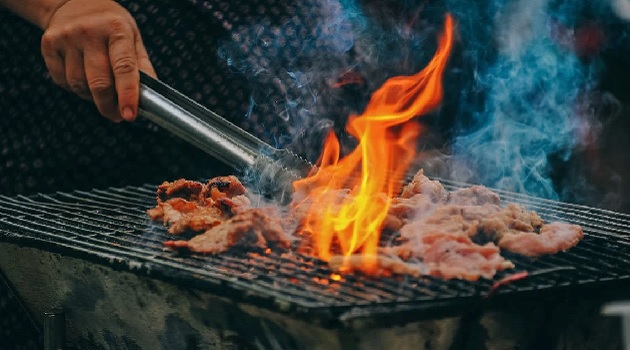
July sees the highest number of home grilling fires, with gas grills involved in most incidents.
As backyard cookouts become a summertime tradition, the National Fire Protection Association (NFPA) is reminding homeowners to practice safe grilling habits to reduce the risk of fires.
According to the NFPA, July is the peak month for home grilling fires, followed by June, May and August.
“Outdoor grilling is a popular way to cook during the warmer months, but it does present the risk of fire and burns,” said Lorraine Carli, NFPA vice president of Outreach and Advocacy. “We want to help ensure that the grilling season remains a safe one for everybody.”
Between 2020 and 2024, U.S. fire departments responded to an average of 12,141 home fires involving grills, hibachis or barbecues each year. Those incidents included 6,110 structure fires and 6,031 outdoor or unclassified fires, resulting in an average of 15 civilian deaths, 171 injuries and $241 million in direct property damage annually.
Gas grills accounted for 76 percent of home grilling fires, while charcoal and other solid-fuel grills were involved in 13 percent. The NFPA also reports that one in five grilling fires was caused by grills that had not been properly cleaned, making grease buildup the leading contributing factor to ignition.
Nearly one-quarter of home structure fires involving grills began on an exterior balcony or open porch, highlighting the importance of keeping grills away from homes and other combustible materials.
The NFPA recommends the following grilling safety practices:
- Check propane tanks and connections for leaks before using a gas grill.
- Clean grills regularly to remove grease and fat buildup.
- Keep grills well away from homes, deck railings, eaves and overhanging tree branches.
- Always open the lid before lighting a gas grill.
- Keep children and pets at least three feet away from the grilling area.
- Use only charcoal starter fluid with charcoal grills, and never add lighter fluid or other flammable liquids to an active fire.
- Allow charcoal coals to cool completely before disposing of them in a metal container.
- Never leave a grill unattended while cooking.
“Knowing when and where grilling fires tend to happen helps people better understand where risks exist and how to reduce their likelihood,” Carli said.
Additional grilling safety information is available from the National Fire Protection Association.